RESEARCH
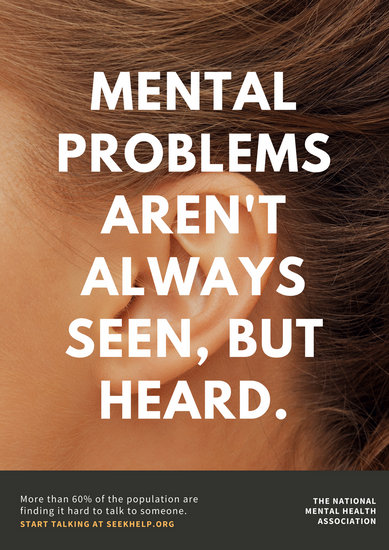
I've found through research more often then not body parts are used as symbolism of mental health issues. It's quite a difficult thing to visually represent as obviously we cannot see something that is mentally dealt with, so often it's depicted using sensory parts of our anatomy. The main symbol used is naturally the brain, as the 'home' for mental activity. The usual imagery of a brain filled with 'stress, anxiety, fear' and so forth is outdated, poorly designed and intimidating I've found.

Looking more into sensory representations and a more minimal aesthetic :


CALM INSTALLATION
Calm have installed onto the ITV tower in London as a visual representation of the weekly male suicide rate. This is incredibly powerful, inspiring me to stray away from using the typical sensory visuals. Through sculpture the issue seems so much more tangiable, so harder to ignore and impactful as the whole body is used. This is a hard hitting literal representation which tackles the issue head on, showing the extreme as to what can happen if mental health is swept under the rug and this stigma is continually reinforced.
The sculptural concept I have wouldn't be enough of a graphic outcome however, unless I actually photographed/ videod them. Considering my outcome being a poster series would make sense in the context as I wanted to target these at university students, promoting on bulletin boards encouraging visitors to the 'Chat Room'.
The sculptural concept I have wouldn't be enough of a graphic outcome however, unless I actually photographed/ videod them. Considering my outcome being a poster series would make sense in the context as I wanted to target these at university students, promoting on bulletin boards encouraging visitors to the 'Chat Room'.


No comments:
Post a Comment